Buying a home in Ireland is a major decision. The right Pre‑Purchase Structural Survey can save you from unexpected repair bills, renegotiation headaches, or, in some cases, years of stress. Below are some anonymised case studies from Irish houses that illustrate what was routinely uncovered, how root causes were diagnosed, and what actions buyers took next.
Note: Case studies are anonymised composites that reflect common findings in Irish housing. The issues discussed (pyrite heave, defective blocks, subsidence, damp, attic conversion risks, and compliance problems) are well‑documented nationally.
✅ Case Study 1 – Pyrite Heave in Dublin
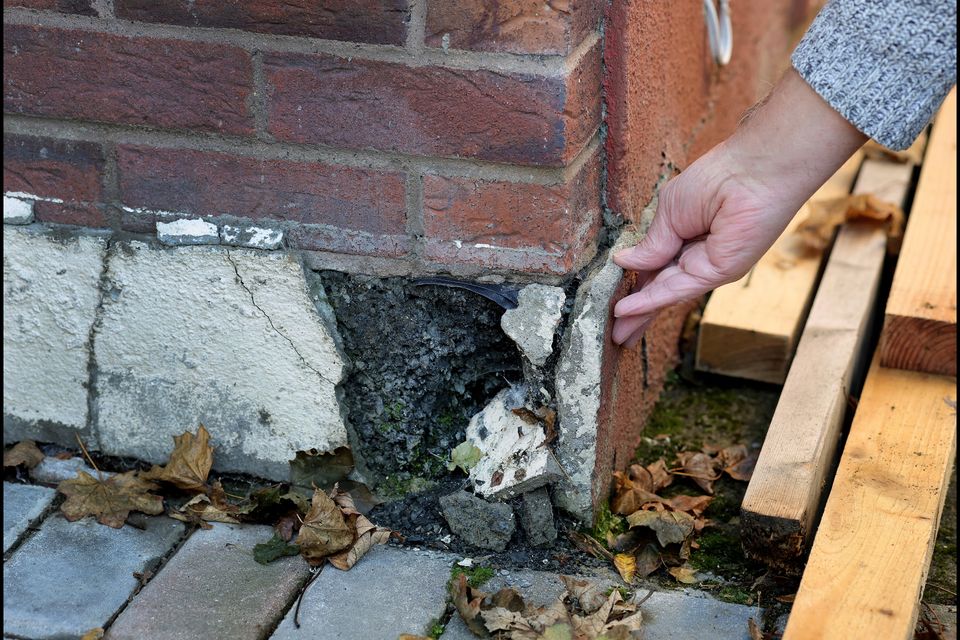
Property: Semi‑detached property, North Co. Dublin
Year: 2005
What the buyer saw: Hairline floor cracks and some doors sticking
What was found:
- Radial/map cracking in the ground‑floor slab and lifting of skirtings indicate upward ground pressure.
- Differential movement marks on internal partition walls supported by the slab.
- House location matched an area historically associated with pyrite‑affected infill beneath slabs.
Buyer Action:
The buyer ultimately withdrew from the purchase due to the risk profile and potential remediation complexity (removal of contaminated hardcore can be extensive). Public information confirms that pyrite‑related structural distress was most prevalent in the east of Ireland (Dublin, Meath, Kildare, North Wicklow).
Why the survey mattered:
Although the surface cracks looked minor, the mechanism (upward heave) changed the decision entirely.
External Link
✅ Case Study 2 — Defective Blocks (Mica/Pyrite) in Mayo
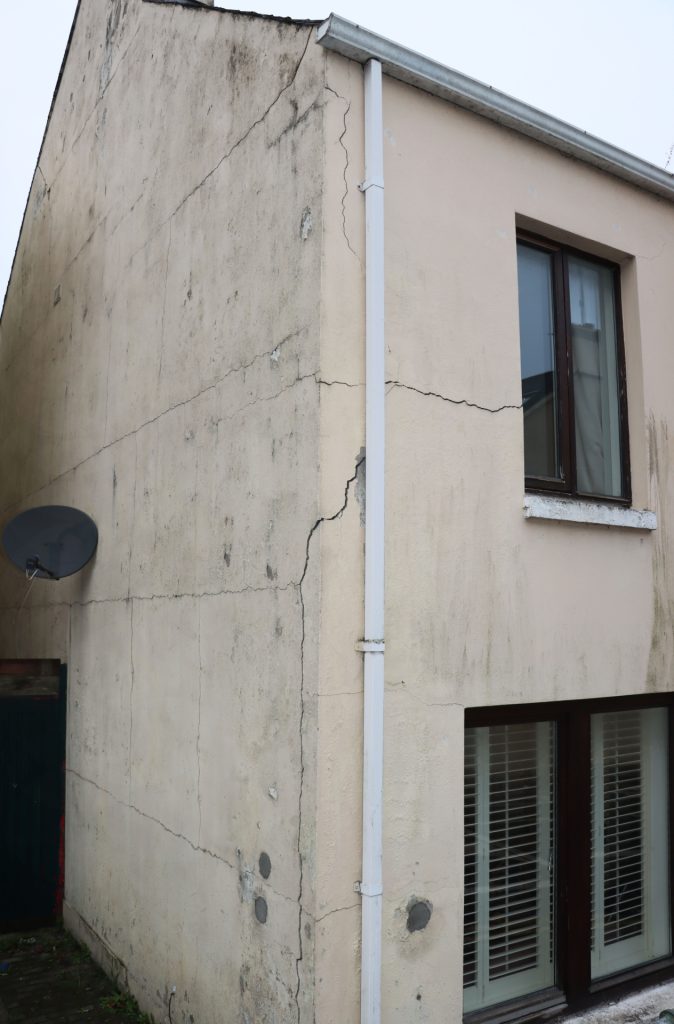
Property: Detached property, rural Donegal
Year: 2006
What the buyer saw: Render cracking and stair‑step patterns in external walls
What we found:
- Patterned cracking consistent with defective concrete blocks; local context: Donegal/Mayo clusters where blocks with mica and/or iron sulphides (pyrrhotite) have caused progressive disintegration.
- Discussed the Enhanced Defective Concrete Blocks Grant Scheme (availability in designated counties; assessment under IS 465).
Buyer Action:
Buyer re‑negotiated price pending further IS 465‑based testing and factored the publicly available grant framework into risk planning; in parallel, it was highlighted that technical debates continue (mica vs pyrrhotite as primary mechanism), but both paths carry serious remediation implications.
Why the survey mattered:
Differentiating cosmetic render issues from defective‑block distress radically alters price, insurability, and future works.
External Link
https://www.con-telegraph.ie/sport/#cmplz-manage-consent-container
✅ Case Study 3 — Subsidence from failed Drainage in Greater Dublin
Property: Terraced house, South Dublin
Year: 1970s
What the buyer saw: Diagonal crack from window corner; slight floor slope
What we found:
- Localised downward movement consistent with subsoil erosion near a gulley; CCTV later confirmed leaking drainage contributing to subsidence. In Ireland, subsidence is often linked to the escape of water/poor drainage rather than the extensive shrink/swell clays seen in the UK; approach to investigation/repair differs accordingly.
Buyer Action:
Recommended drain repairs, targeted foundation stabilisation/monitoring, and obtained quotes. The buyer proceeded with a price adjustment to fund works. (Public guidance and service providers confirm typical signs—diagonal cracking, sloping floors, and drainage as a common causative factor.
Why the survey mattered:
Distinguished manageable, localised subsidence (fix the cause + stabilise) from global movement—avoiding an unnecessary walk‑away.
External Link
✅ Case Study 4 — Hidden Damp & Timber Risk in a Cork Bungalow
Property: Bungalow, Co. Cork
Year: 1980
What the buyer saw: Fresh paint; faint musty smell
What we found:
- Elevated moisture readings at external walls; condensation/penetrating damp signatures behind recent redecoration.
- Early signs of timber decay risk in the roof void where ventilation was poor.
Irish survey guidance for homebuyers repeatedly highlights dampness as one of the most common issues found during pre‑purchase surveys; buyers should expect it to be assessed and reported clearly.
Buyer Action:
Vendor agreed to improve ventilation and fix external detailing; buyer proceeded with an allowance for local plaster/decoration repairs.
Why the survey mattered:
Converted vague “smell + new paint” into a clear, remediable scope—preventing unexpected post‑purchase costs.
External Link
✅ Case Study 5 — Unsafe Attic Conversion (Structural Non‑Compliance) in Kildare
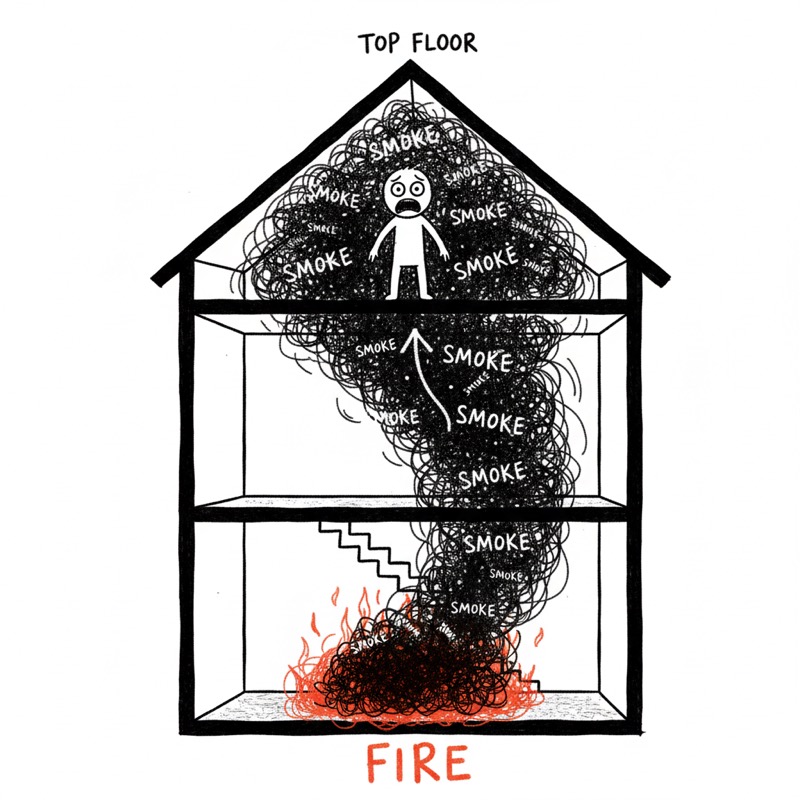
Property: 1990s semi‑detached with attic room, Co. Kildare
What the buyer saw: Attractive “extra bedroom”
What we found:
- Inadequate floor joist strengthening, altered rafters, and missing/undersized purlin supports; no certification for structural alterations.
- Survey best practice in Ireland includes checking attic conversions and highlighting structural and regulatory issues so buyers can decide with full information.
Buyer Action:
Buyer proceeded conditional on the vendor providing an engineer’s opinion on compliance and undertaking strengthening works per our recommendations.
Why the survey mattered:
Prevented the buyer from inheriting a non‑compliant, structurally risky conversion.
External Link
https://blog.retrofitdublin.ie/irish-attic-conversion-building-regulations-explained/
✅ Case Study 6 — Multiple Small Defects in Limerick
Property: 2010 detached, Co. Limerick
What the buyer saw: Generally fine
What we found:
- A cluster of moderate defects: localised damp ingress at a parapet, defective flashing, minor settlement cracking, and poor site drainage falls.
- Irish pre‑purchase survey providers emphasise that reports bundle findings with clear severity/priority so buyers can budget and negotiate—not every defect is a dealbreaker, but visibility is priceless.
Buyer Action:
Buyer negotiated €12k reduction reflecting realistic repairs; proceeded confidently.
Why the survey mattered:
Not dramatic—but thorough documentation shifted cost/repair risk back into the price.
Thinking of buying a home?