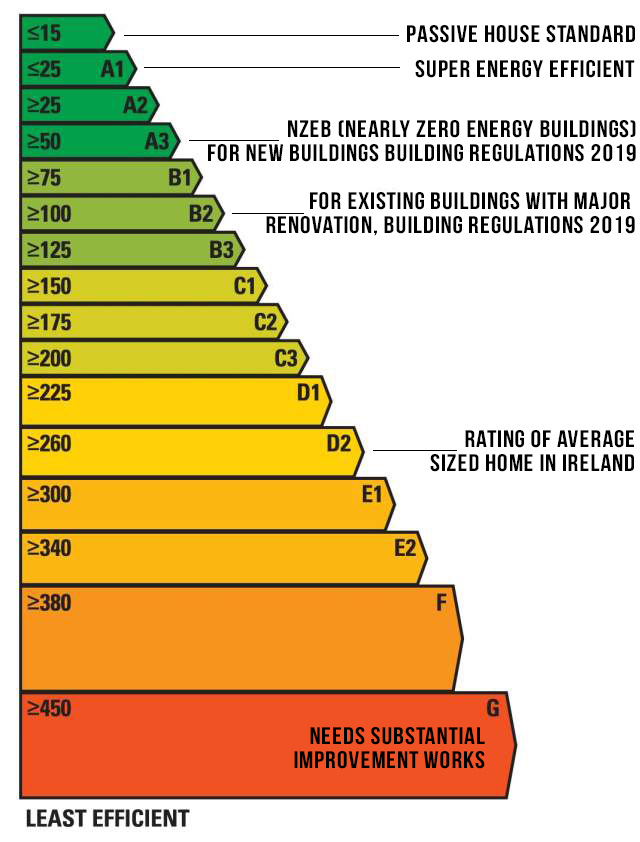
Ireland’s housing stock includes older masonry houses, 1960s–1990s stone houses, Celtic Tiger apartments (1990 – 2010s), and modern developments. Each comes with its own pattern of defects. Our pre‑purchase surveys in Dublin frequently identify the following defects:
Below are common Property Defects Found in Irish Irish Homes & Apartments:- ✅ Damp, Mould and Condensation
- ✅ Structural Cracks and Floor Heave
- ✅ Foundation Subsidence & Building Movement
- ✅ Pyrite & Mica in Irish Homes
- ✅ Roof & Attic Defects in Irish Homes
- ✅ Defects in Property Boundary Wall
- ✅ Services Defects (Plumbing, Heating, Electrics) in Irish Homes
- ✅ Fire & Safety Issues in Irish Homes
- ✅ Understanding BER and Insulation in Irish Homes
- ✅ Blockwork and cavity wall defects
- ✅ Poor drainage and ground levels
- ✅ Defects in the Property Boundary Wall
✅ Damp, Mould and Condensation in Irish Homes
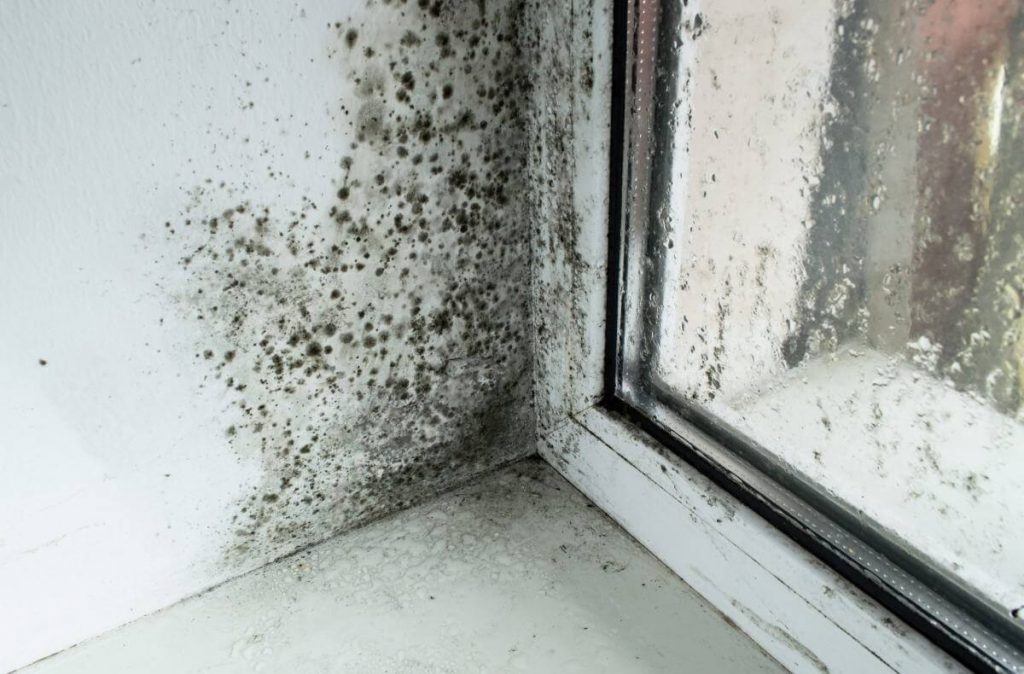
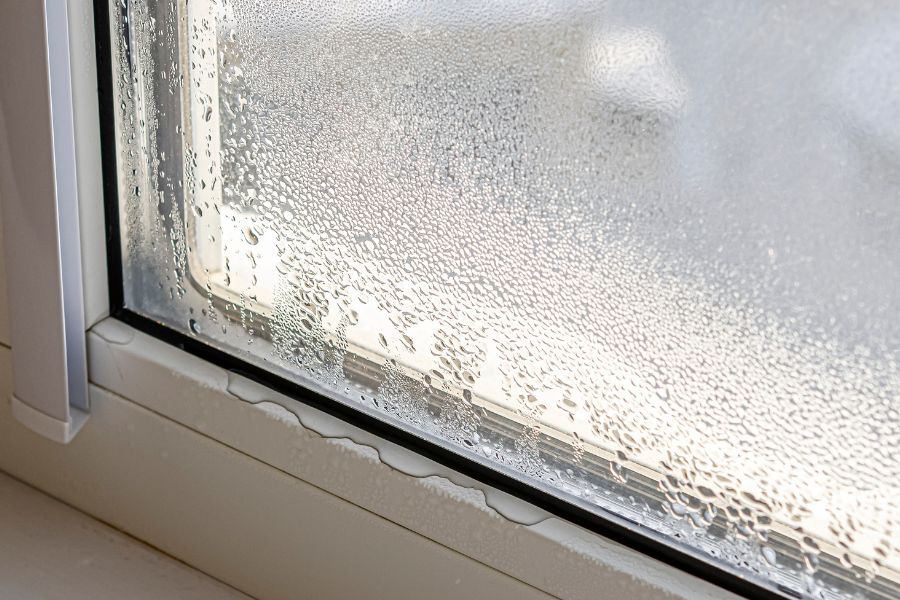
Damp, mould and condensation are very common in Irish homes due to the wet climate, high humidity and older housing stock. These issues are frequently found during pre-purchase surveys and are often overlooked during viewings.
▢ Why this matters to homeowners and buyers
- Can be hidden and worsen over time
- Causes damage to walls, finishes and timber
- May affect indoor air quality and health
▢ Common warning signs to look for
- Black mould or damp staining on walls and ceilings
- Peeling paint or wallpaper
- Persistent condensation on windows
✅ Structural Cracks and Floor Heave in Irish Homes
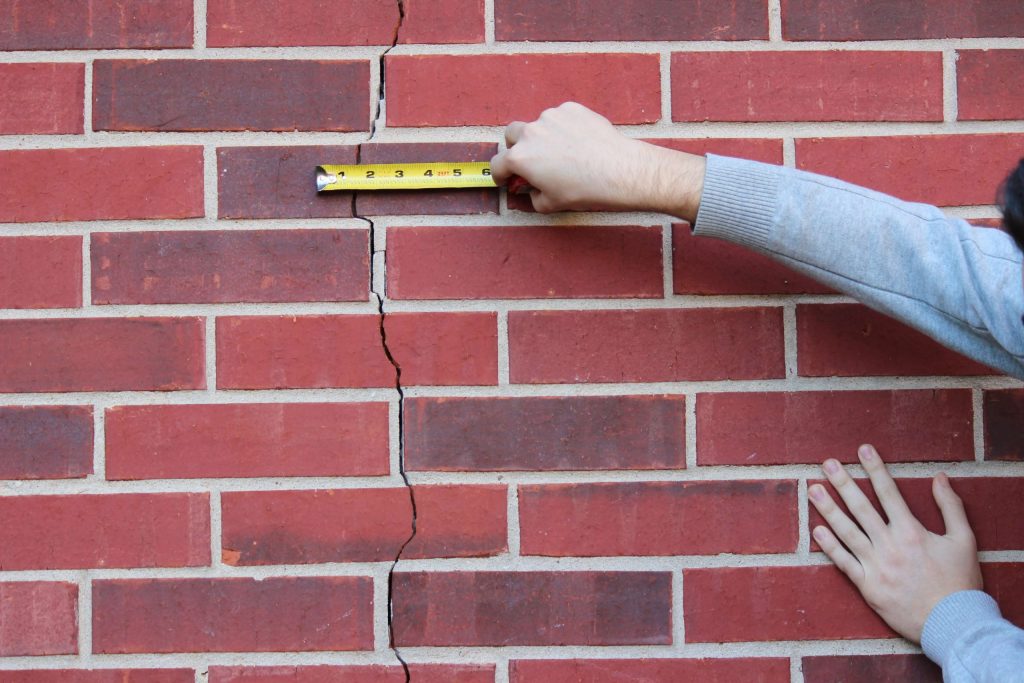
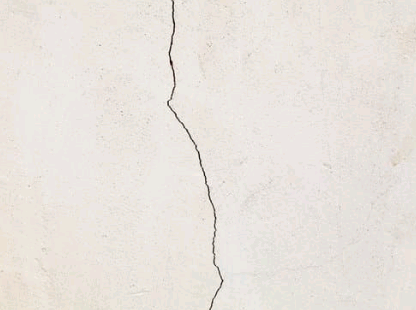
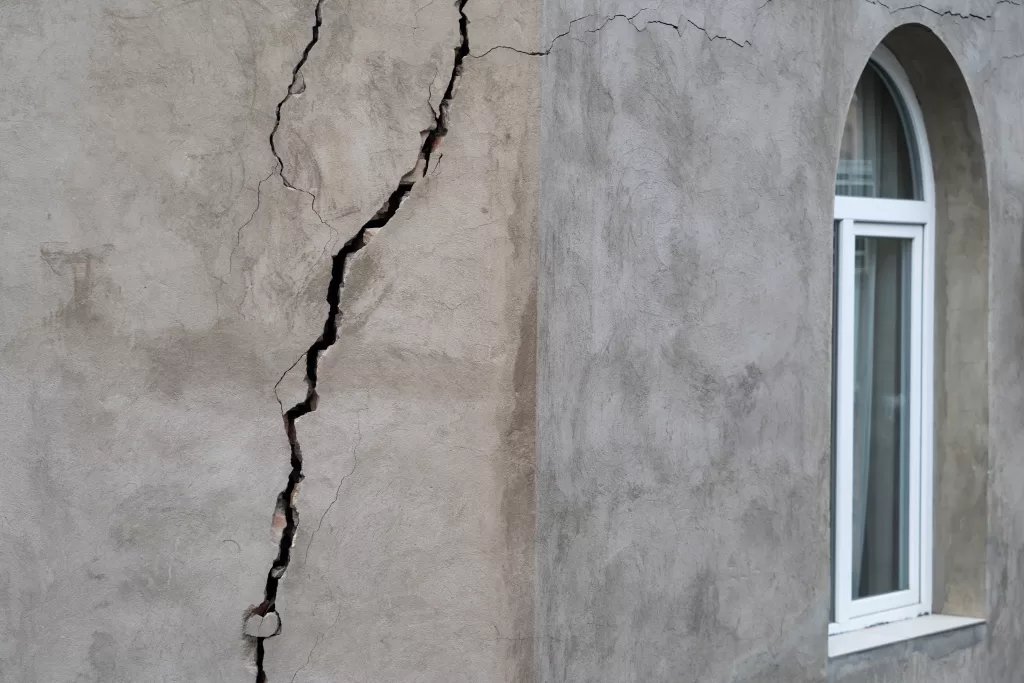
Structural cracks, subsidence and floor heave are serious defects that can affect the safety, value and long-term performance of Irish homes. These issues are commonly linked to ground movement, soil conditions, drainage problems and nearby trees, and are often identified during structural surveys.
▢ Why this matters to homeowners and buyers
- May indicate movement of foundations or ground beneath the property
- Can worsen over time if the underlying cause is not addressed
- Repairs can be complex and costly
- Often underestimated or missed during initial property viewings
▢ Common warning signs to look for
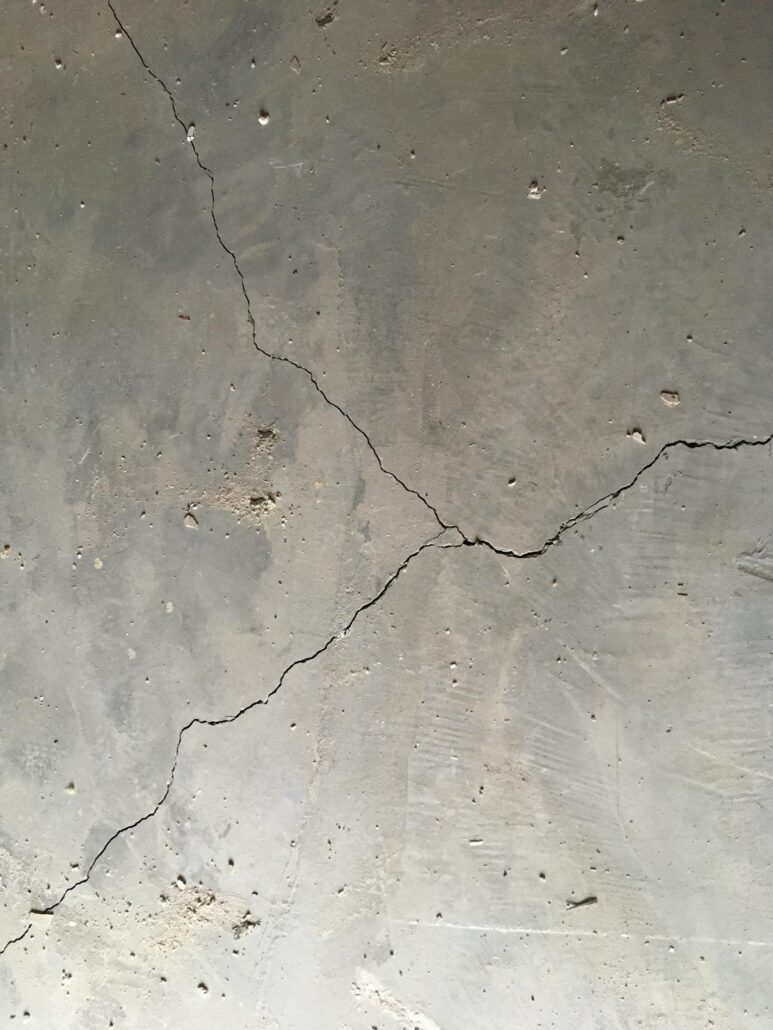
- Cracks in walls, ceilings or floors, particularly diagonal or stepped cracks
- Cracks wider than 3mm or cracks that continue to grow over time
- Doors or windows sticking, tilting or falling out of square
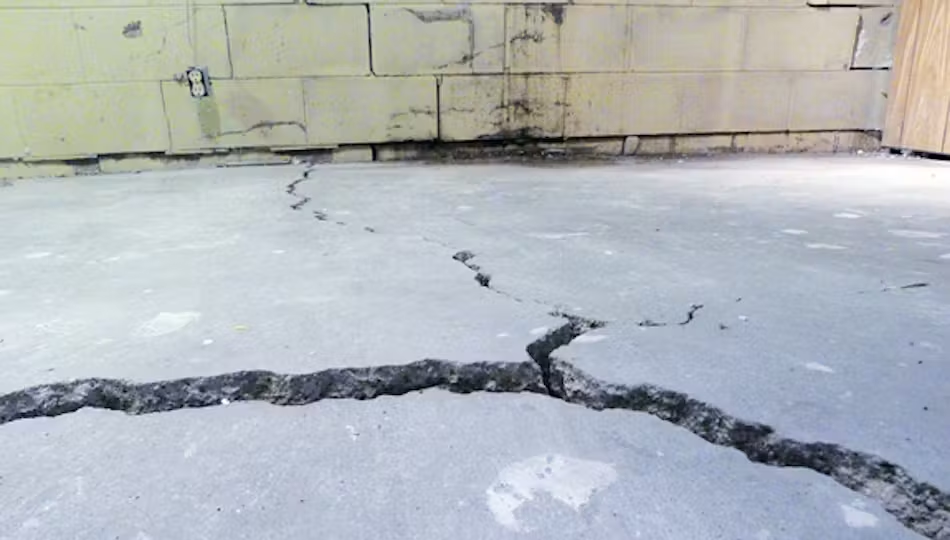
- Uneven, sloping or lifting floors and gaps at skirting boards
▢ Typical Causes of Structural Cracks and Floor Heave
- Poor ground conditions or shallow foundations in older properties
- Leaking or damaged drains, washing away supporting soil
- Clay soil shrinkage or swelling due to weather changes or tree removal
- Pyritic hardcore beneath ground floors, causing floor heave
✅ Foundation Subsidence in Irish Homes
Subsidence is a serious structural issue that occurs when the ground or foundations beneath a property move downward, causing parts of the building to sink. In Irish homes, subsidence is commonly linked to ground conditions, shallow foundations in older properties, leaking drains, and the influence of nearby trees.
▢ Why this matters to homeowners and buyers
- Damage can worsen over time and is not cosmetic
- May lead to cracking, bulging and deterioration of walls and floors
- Can significantly affect property value, mortgage approval and insurability
- Commonly affects homes built before the mid-2010s in certain regions
▢ Common warning signs of subsidence in Irish Homes
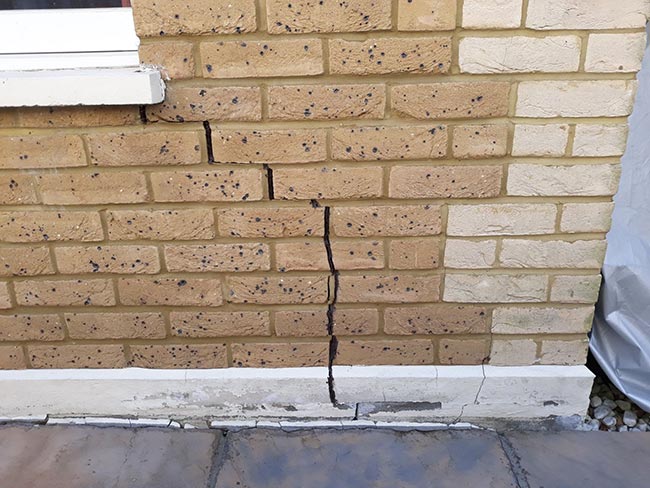
- Diagonal or tapering cracks in walls, often wider at one end
- Stepped cracking on external brick or block walls
- Doors or windows are becoming misaligned or starting to jam
- Uneven or sloping floors and gaps forming at skirting boards
- Localised sinking at corners or sections of the building
▢ Typical causes of Subsidence in Irish homes
- Poor or variable ground conditions beneath foundations
- Shallow foundations in older houses
- Leaking or damaged underground drains, washing away supporting soil
- Clay soil shrinkage during dry periods
- Tree roots extract moisture from clay soils near foundations
✅ Mica & Pyrite in Irish Homes
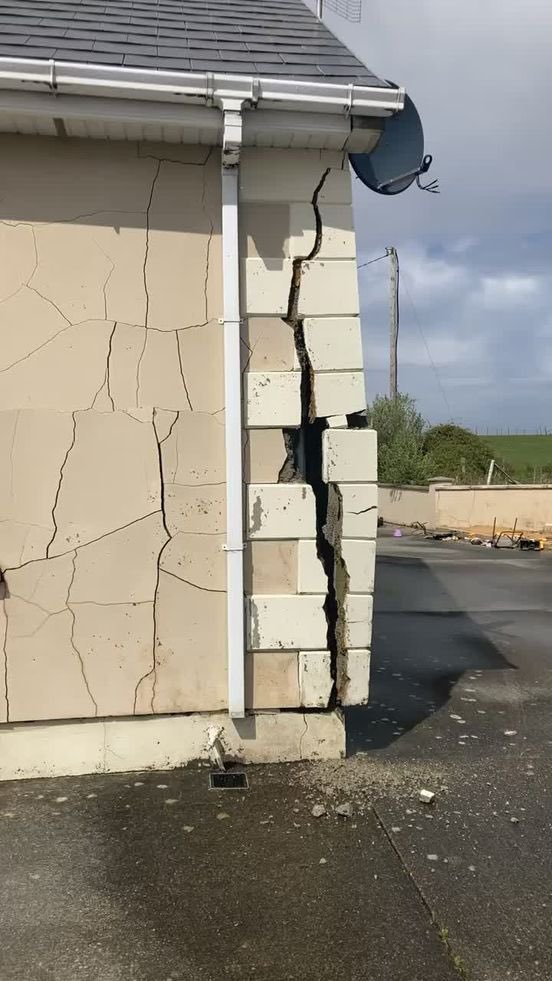
Mica and pyrite are naturally occurring minerals that were present in some concrete blocks and hardcore used in Irish housing, particularly during the early 2000s. When present in excessive amounts, they can cause progressive structural damage, making this one of the most serious defects found in affected homes.
▢ Why this matters to homeowners and buyers
- Damage can worsen over time and is not cosmetic
- May lead to cracking, bulging and deterioration of walls and floors
- Can significantly affect property value, mortgage approval and insurability
- Commonly affects homes built before the mid-2010s in certain regions
▢ Common warning signs of Mica & Pyrite in Irish Homes
- Multiple cracks in walls, often stair-step, horizontal or vertical
- Bulging or bowing of internal or external walls
- Lifting, cracking or uneven ground floors
- Doors and windows sticking or going out of alignment
- Gaps forming at skirting boards or wall junctions
Mica and pyrite damage is most commonly associated with parts of Donegal, Mayo, Clare, Limerick, Sligo and areas of Dublin and Leinster. A professional structural assessment is essential to confirm the presence of defective materials and assess the extent of damage before purchasing a property.
✅ Roof & Attic Defects in Irish Homes
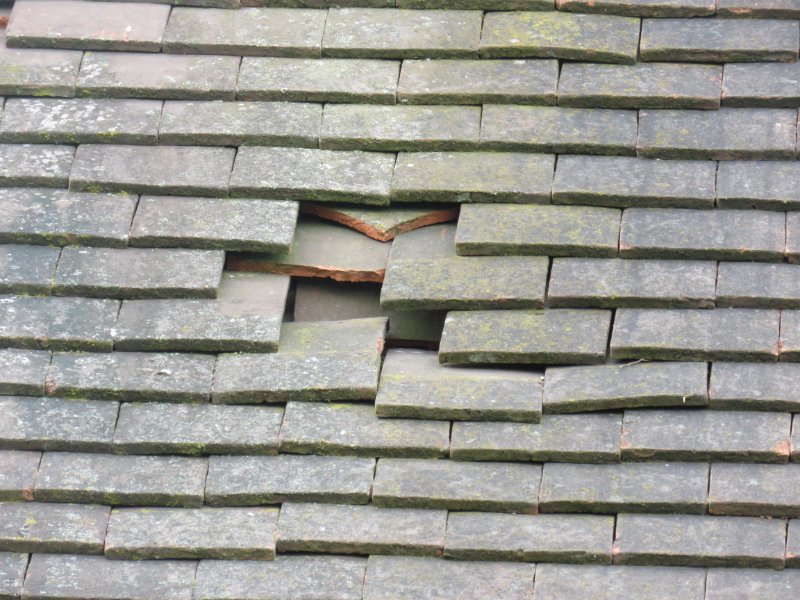
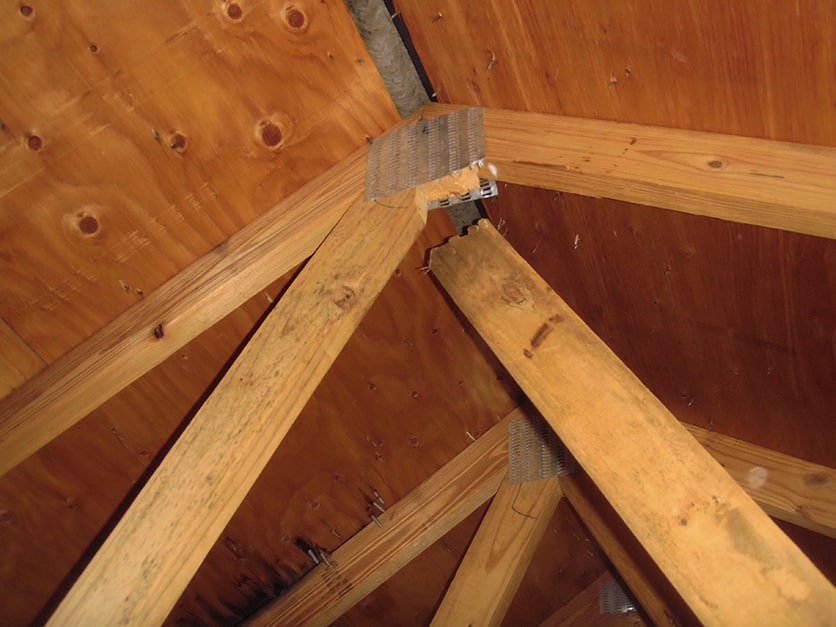
Roof and attic defects are common in Irish homes, particularly in properties built during the Celtic Tiger period (mid-1990s to mid-2010s), where construction quality and detailing can vary. Because these areas are often out of sight, defects may go unnoticed until they cause water ingress, heat loss or timber damage.
▢ Why this matters to homeowners and buyers
- Roof defects are a leading cause of dampness and water damage
- Problems in the attic can reduce energy efficiency and comfort
- Timber decay or structural damage can develop if issues are left untreated
- Defects are often hidden and missed during standard viewings
▢ Common warning signs to look for
- Loose, broken or missing roof slates or tiles
- Signs of water staining or dampness in the attic or on ceilings
- Poor attic ventilation leading to condensation or mould
- Inadequate or uneven insulation in the attic
- Ponding water or deterioration on flat roofs
✅ Defects in Property Boundary Wall
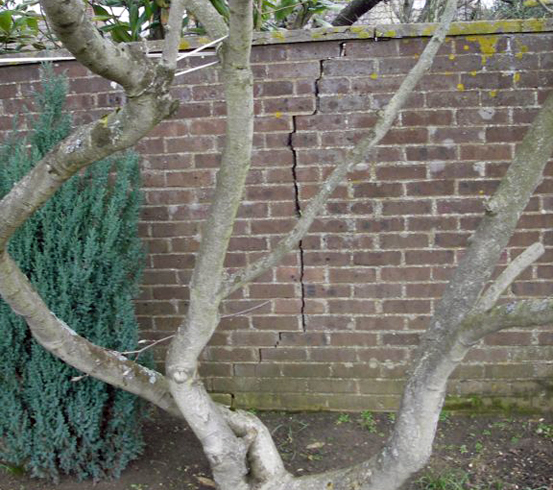
Boundary walls, fences, and external areas form an important part of a property’s condition and security. Defects in these areas are common in Irish homes and may indicate poor maintenance, drainage issues, or potential disputes over boundaries if left unchecked.
▢ Common warning signs to look for
- Cracked, leaning, or unstable boundary walls and fences
- Loose, damaged, or poorly supported gates.
- Uneven or cracked driveways and paths create trip hazards.
- Poor surface drainage causes standing water or erosion.
- Overgrown gardens or unclear boundary markers may lead to ownership disputes.
✅ Services (Plumbing, Heating, Electrics) Defects in Irish Homes
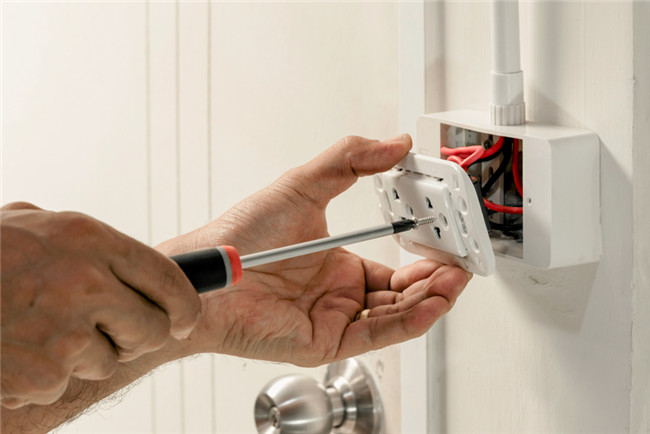
The condition of plumbing, heating, and electrical systems is a key factor in the safety, comfort, and long-term costs of any Irish home or apartment. Defects in these systems can cause inconvenience, pose health or safety risks, and result in expensive repairs if not identified early.
▢ Why this matters to homeowners and buyers
- Outdated or faulty systems can compromise safety and energy efficiency
- Defects can be costly to repair or replace, especially in older homes
- Problems are often hidden behind walls or in service rooms and may not be obvious during viewings
▢ Common warning signs of Services Defects in Irish Homes
- Low water pressure or discoloured water from taps
- Strange smells from boilers, pipes, or drains
- Flickering lights, tripping breakers, or other electrical issues
- Radiators or heaters are not warming evenly
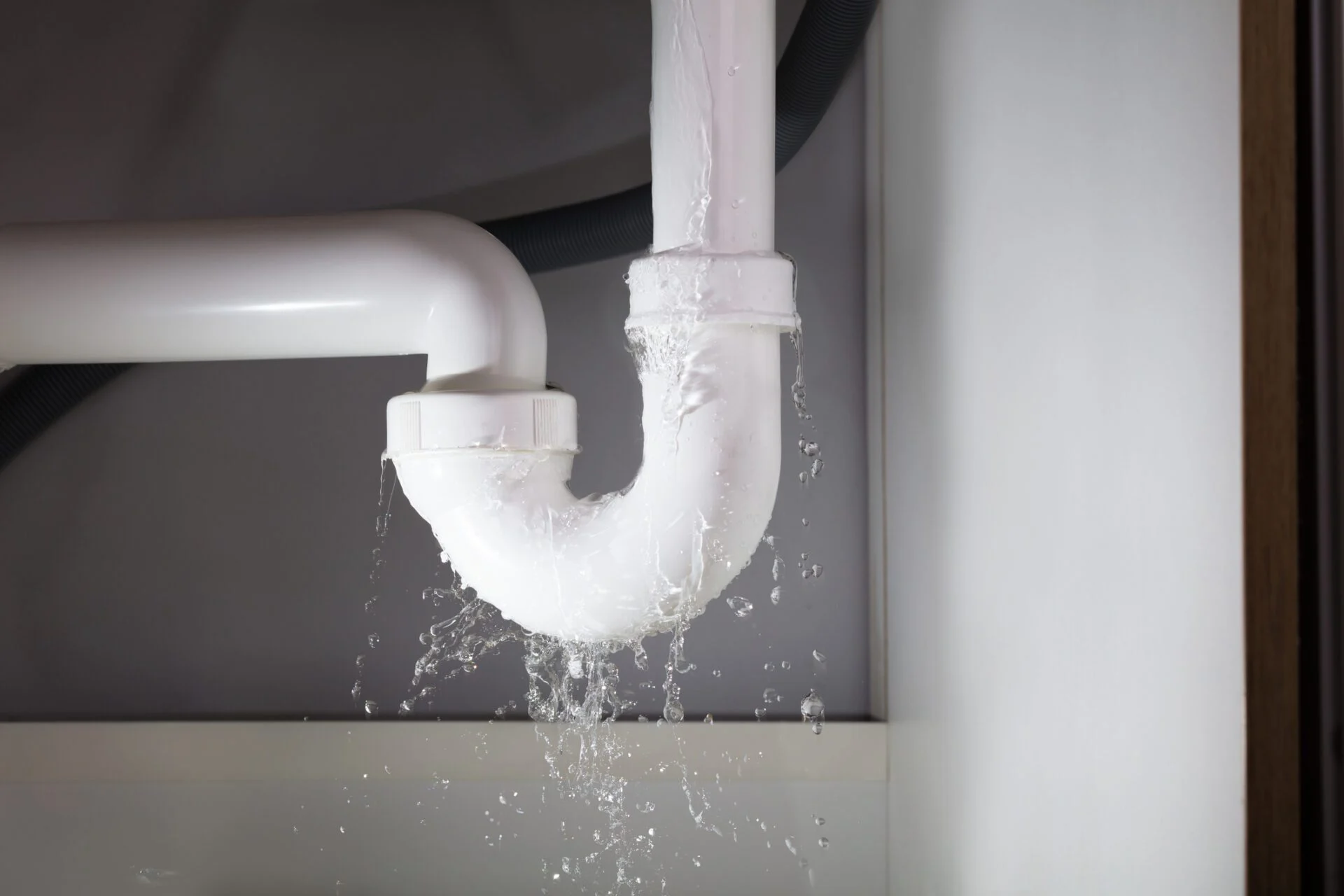
- Visible corrosion, leaks, or damp patches around plumbing
Older homes may also have lead pipes, inefficient oil or gas boilers, and pre-1980s wiring, while older apartments may have electric storage heaters, shared plumbing, or communal heating systems that require careful inspection.
✅ Fire and Safety Issues in Irish Homes
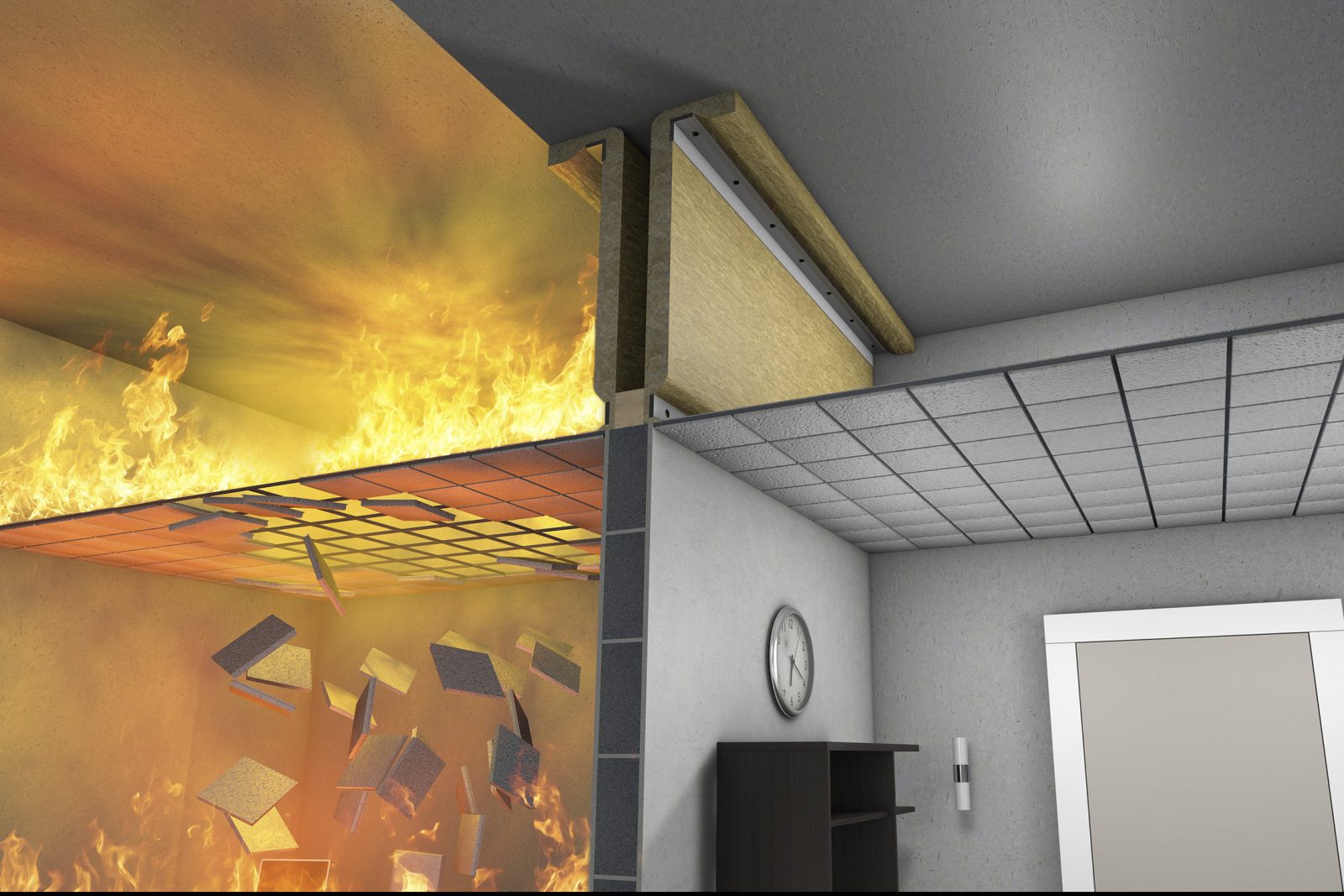
Fire and safety considerations are especially important in apartments, where multiple households share walls, floors, and communal systems. Undetected fire safety issues can put residents at risk and lead to expensive remedial work.
▢ Why this matters to homeowners and buyers
- Defects can significantly increase the risk of fire spreading in a property
- Can affect compliance with building regulations and insurance requirements
- Often hidden in communal areas or behind finishes, making them easy to miss during viewings
▢ Common warning signs to look for
- Missing, damaged, or poorly closing fire doors
- Poorly maintained stairwells, corridors, or escape routes
- Lack of clear fire evacuation plans
- Evidence of flammable or non-compliant cladding
- No records of regular fire safety inspections or maintenance
✅ Energy Efficiency (BER) in Irish Homes
A Building Energy Rating (BER) shows how energy-efficient a home is, based on heating, hot water, ventilation, lighting, and space use. Energy efficiency is increasingly important for Irish homebuyers, as it affects comfort, energy bills, and future resale value.
▢ Why this matters to homeowners and buyers
- Homes with low BER ratings can be costly to heat and uncomfortable to live in
- Poor insulation, windows, or heating systems can lead to heat loss, cold drafts, and higher energy bills
- Identifying energy inefficiencies early helps buyers plan improvements and reduce future costs
▢ Common warning signs for low energy efficiency in homes
- Cold spots or draughts in rooms
- Visible condensation on windows or walls
- Older or inefficient heating systems
- Poor insulation in walls, roofs, floors, or between apartment units