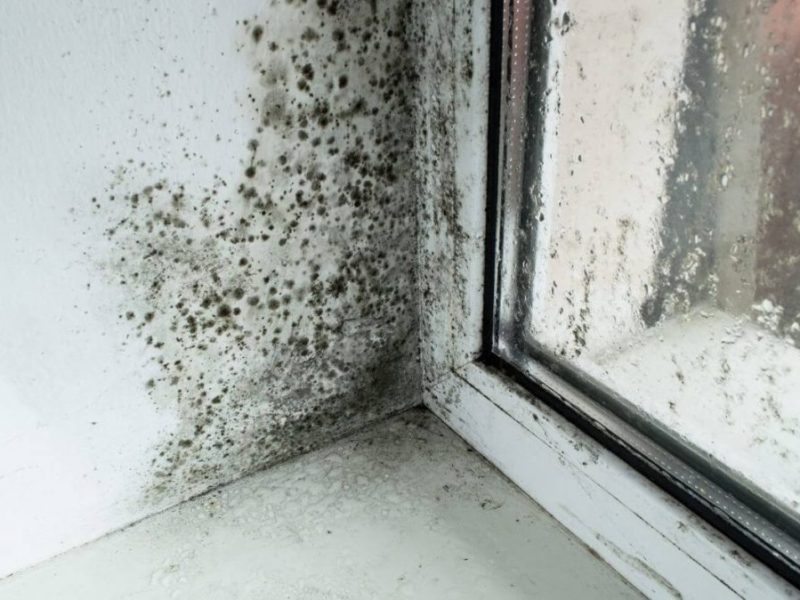
Mould is a widespread issue in Irish homes and one that is often misunderstood. While it may appear to be a surface-level problem, mould is usually a clear sign of excess moisture within a building. In Ireland’s damp climate, mould can develop quickly and spread unnoticed, leading to health concerns and damage to the fabric of a home if not addressed properly.
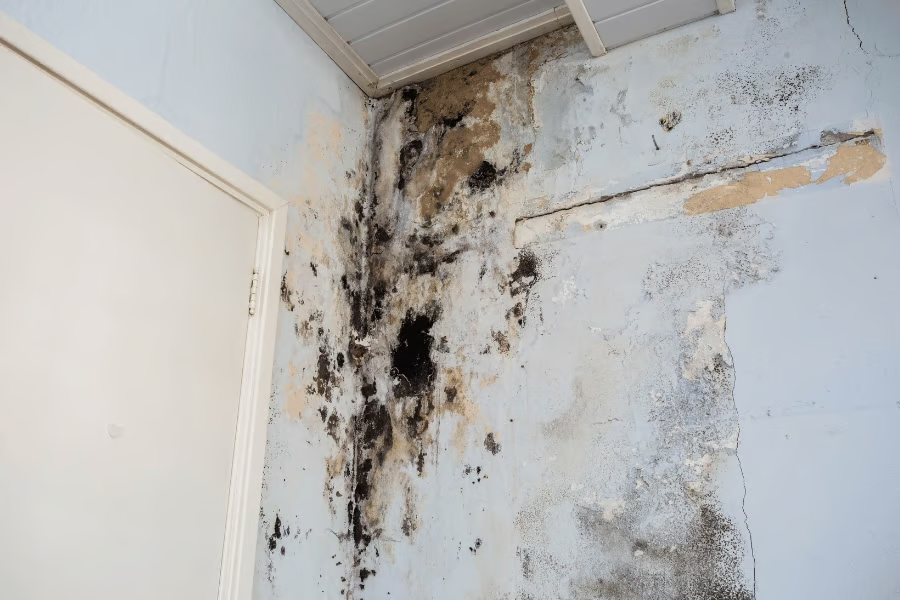
Why Mould Develops in Irish Houses
Ireland’s high rainfall, mild temperatures, and long heating seasons create ideal conditions for mould growth. Many homes suffer from poor ventilation, cold external walls, or inadequate insulation. Modern airtight houses can also trap moisture indoors if ventilation systems are poorly designed or maintained. Everyday activities such as cooking, showering, and drying clothes indoors further increase humidity levels.
Mould should never be ignored or treated as a purely cosmetic issue. It is a warning sign that a home is retaining excess moisture. Early identification and corrective action can protect occupant health, prevent material damage, and reduce long-term repair costs.
Common Signs of a Mould Problem
Mould is not always obvious at first glance. Common warning signs include:
- Black or dark patches around windows, ceilings, and external walls
- Musty or damp smells
- Peeling paint or bubbling wallpaper
- Condensation on windows and cold surfaces
- Mould forming behind furniture or inside wardrobes
These signs usually indicate ongoing condensation or dampness rather than a one-off issue.
Health and Building Risks
Mould spores can negatively affect indoor air quality and may trigger allergies, asthma, and other respiratory issues, particularly in children and older occupants. From a building perspective, persistent mould can damage plaster finishes, timber elements, and insulation, increasing maintenance costs over time.
Treating the Cause, Not Just the Symptoms
Cleaning mould without addressing the source of moisture only provides a temporary solution. Effective control requires improving ventilation, maintaining consistent heating, and addressing issues such as leaks, cold bridging, or poor insulation. Identifying the root cause is essential for long-term prevention.